Booking choice: The private countryside tour, from $38 per person. Check dates Tour details
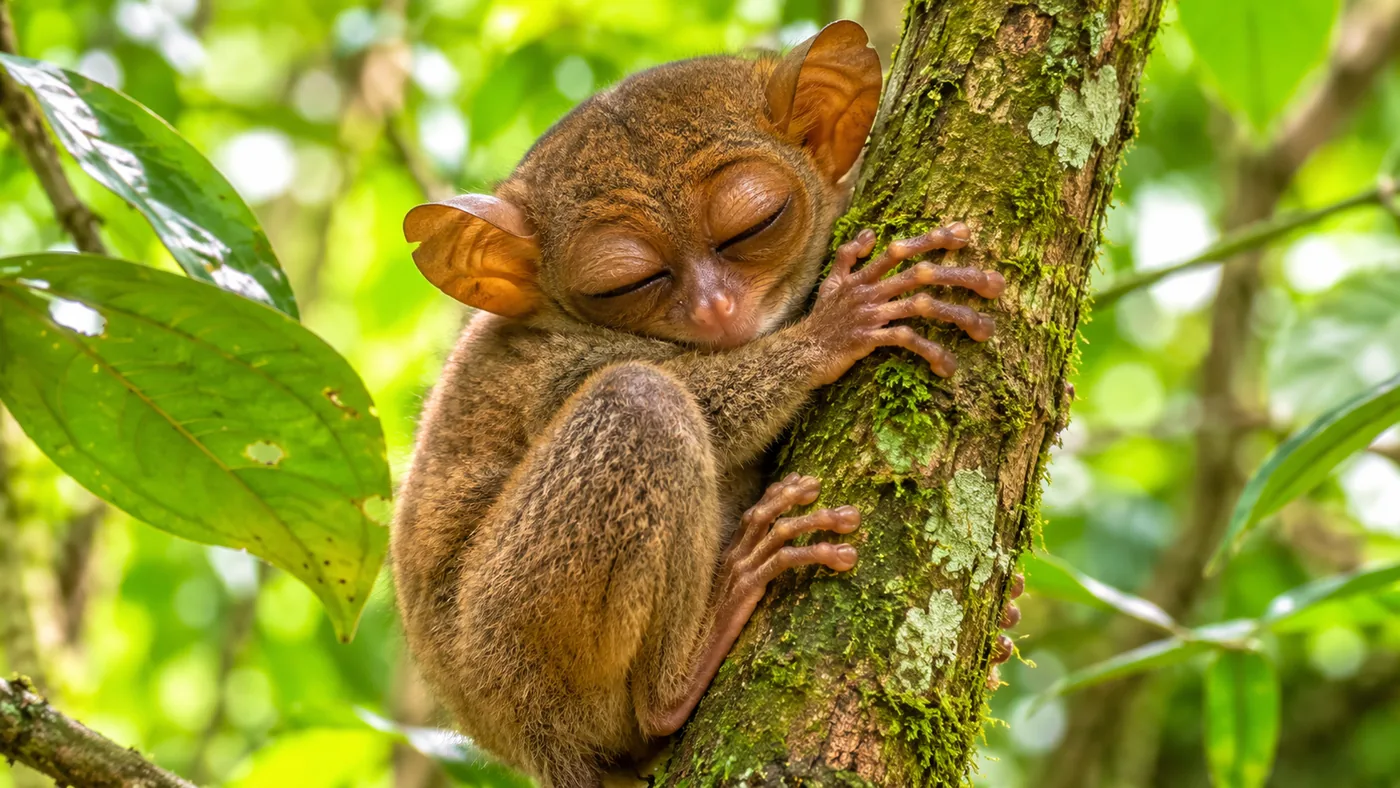
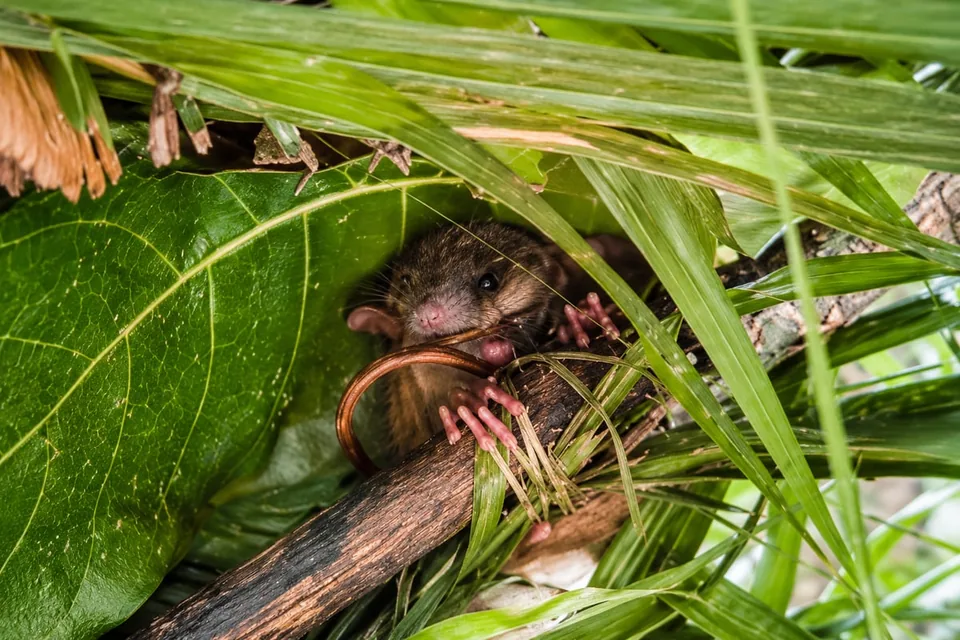
The Philippine tarsier is Bohol's other icon: a tiny primate with eyes too big for its face, hunting insects at night in the forests of the island. The best place to see one is the sanctuary of the Philippine Tarsier Foundation in Corella, about 15 km from Tagbilaran, where the animals live free in the trees.
The visit is calm by design. You walk a forest path with a guide, speak softly, and look where the guide points. A sleeping tarsier a metre away is the whole show, and it is enough.
The quick answer
The Philippine Tarsier Sanctuary is in Corella, about 15 km from Tagbilaran, run by the non-profit Philippine Tarsier Foundation. Tarsiers move freely in an 8.4-hectare net enclosure. A tour stop lasts 20 to 30 minutes on a guided trail. Keep quiet, turn off the flash, and do not touch or feed the animals. Most countryside tours stop for the tarsiers, and some include the entry in the price.
Where is the Philippine Tarsier Sanctuary?
In Corella, inland from Tagbilaran, about 15 km from the city per the Philippine Tarsier Foundation. It is one of the first stops on many countryside tours.
The Foundation started in 1996, when a group of local business people, with government support, took up the work of Carlito Pizarras, the "Tarsier Man". He grew up catching tarsiers and became their best-known protector, and he is still the sanctuary's field supervisor. The Foundation is a non-profit registered with the Securities and Exchange Commission.
Today the tarsiers roam an 8.4-hectare net enclosure of forest. Visitors see them from a short trail with wooden railings.
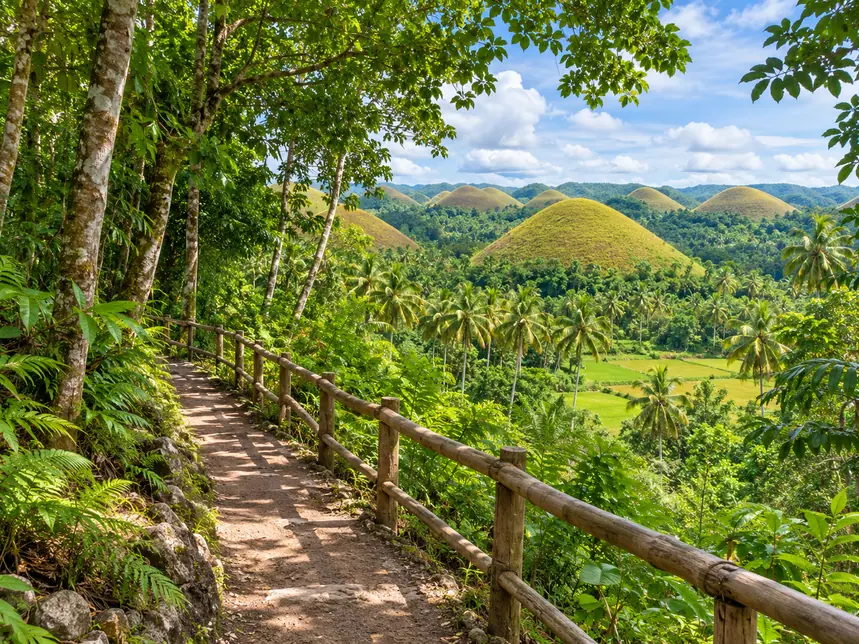
What is a Philippine tarsier?
One of the world's smallest primates, and a night animal. It sleeps through the day and hunts live insects after dark.
A few things the Foundation explains that change how you see the visit:
- They are nocturnal. By day they rest, often in the same spot, which is why a guide can find them.
- They live alone. Each tarsier claims roughly a hectare of territory, so even a big enclosure holds only a few. Seeing two or three is normal.
- They eat live insects, such as crickets and beetles, caught at night.
- They are wild. A frightened tarsier may bite, and stress harms them.
The Foundation lists the species as near threatened. Protecting the forest it lives in is the point of the sanctuary, and the visit is set up around that.
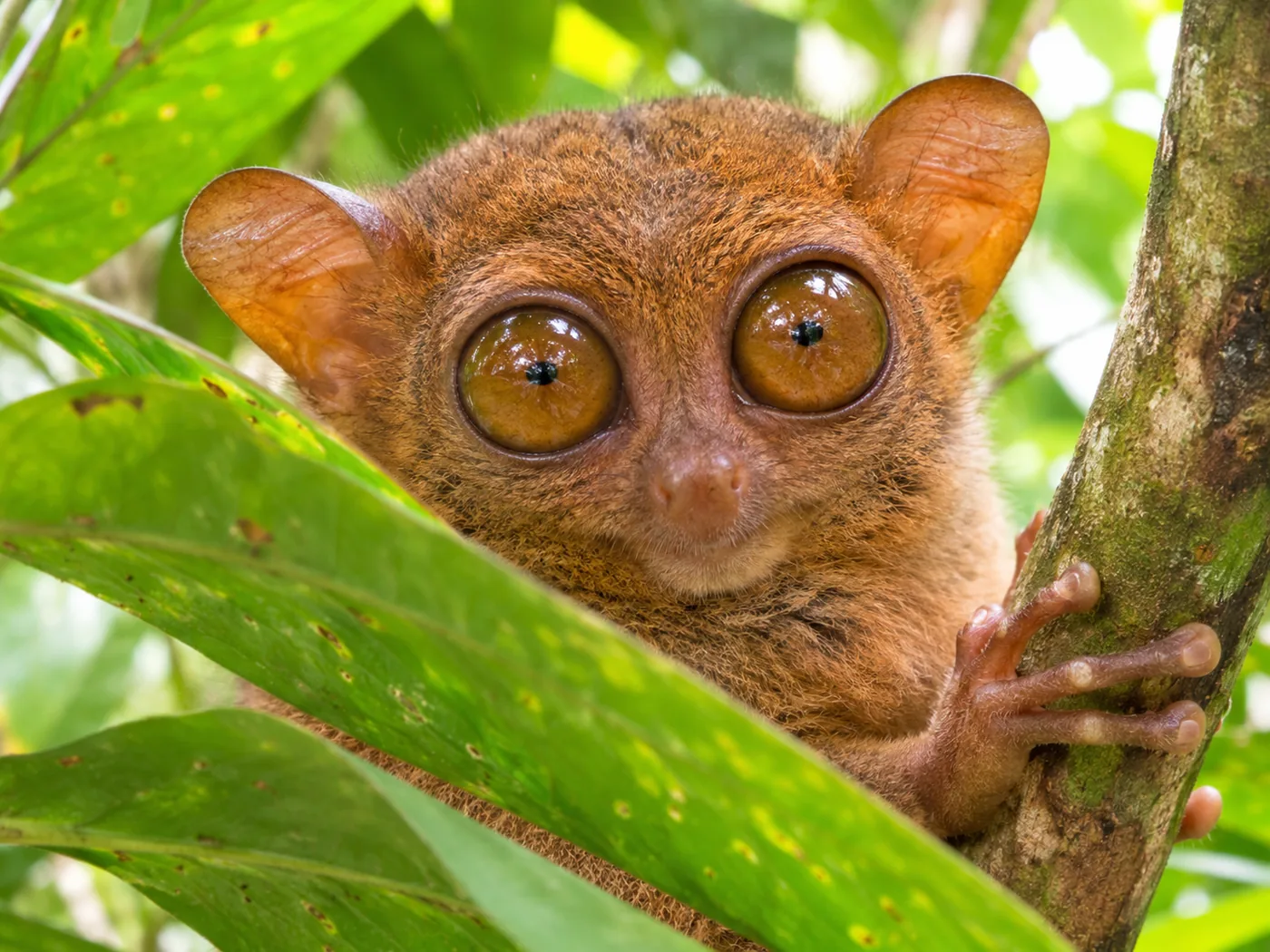
What are the rules at the tarsier sanctuary?
Keep quiet, use no flash, and never touch or feed the tarsiers. Stay on the trail with your guide.
These are the Philippine Tarsier Foundation's own rules, and they make the visit better for everyone:
- Talk in a whisper. Noise wakes the animals, and a disturbed tarsier may leave the area.
- Turn off the flash on your phone and camera before you start the trail.
- Look, don't touch. No feeding, no stroking, no reaching into the branches.
- Keep your distance and follow the guide's lead on where to stand.
The guides keep the pace slow and the groups calm. Children enjoy it most when they know beforehand that this is a whispering stop.
Your own van and driver-guide, with a local community guide at the tarsier sanctuary and the entrance fees included.
Check dates for the private countryside tourWhat is the visit like, and how long does it take?
About 20 to 30 minutes on a tour: a slow walk on a forest trail, with a guide pointing out each resting tarsier.
You enter by the visitor area, a guide joins your group, and you walk the trail in single file. At each spot the guide stops and points: a tarsier curled on a branch at eye level, sometimes asleep, sometimes watching. You get a few quiet moments and a photo, then move on. Tours with a fixed schedule give the stop about 30 minutes, per their listings.
★★★★★they bring you to the tasier sanctuary where you can see they really care about the animals wellbeing and it's not full of tourists.
Bring a phone with a decent zoom. The tarsiers are close, but they sit in leafy shade.
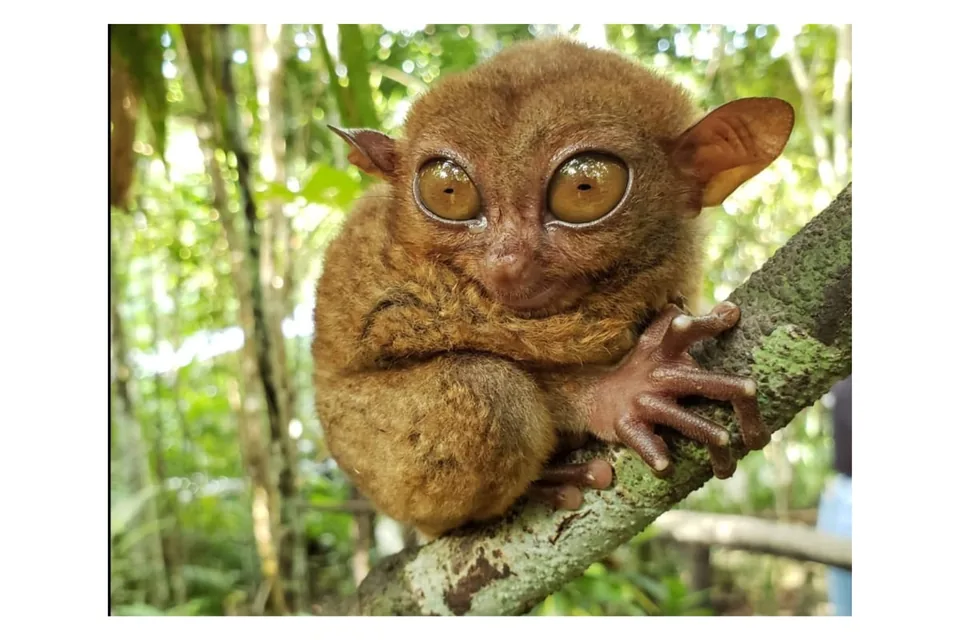
Is the Corella sanctuary or the Loboc tarsier site better?
The Foundation-run sanctuary in Corella is the site conservationists recommend. The tarsier site near Loboc is not run by the Foundation.
Both appear on countryside tours, and listings tend to say "tarsier sanctuary" or "tarsier conservation area" without naming the town. If the Corella sanctuary matters to you, ask the operator through your booking before the day.
The private tour names the Philippine Tarsier Sanctuary and adds a local community guide there, per its listing, and the private day from Cebu includes a guided visit of the Tarsier Sanctuary with the entry paid.
Which tours include the tarsier sanctuary?
Almost every countryside tour stops for the tarsiers. Some include the entry in the price; on others it is part of the ₱500 fees paid on the day, per the listings.
| Tour | From | Tarsier stop, per the listing |
|---|---|---|
| Private van and driver-guide | $38 | Philippine Tarsier Sanctuary, community guide, fee included |
| ATV ride and river lunch | $110 | Tarsier Sanctuary, admission included |
| Private day from Cebu | $160 | Guided Tarsier Sanctuary visit, entry included |
| Guided hills and tarsiers | $29 | Tarsier sanctuary, part of ₱500 fees on the day |
| Budget day, driver only | $26 | Tarsier sanctuary, part of ₱500 fees on the day |
| Countryside tour from Panglao | $41 | Tarsier conservation area, ₱500 fees on the day |
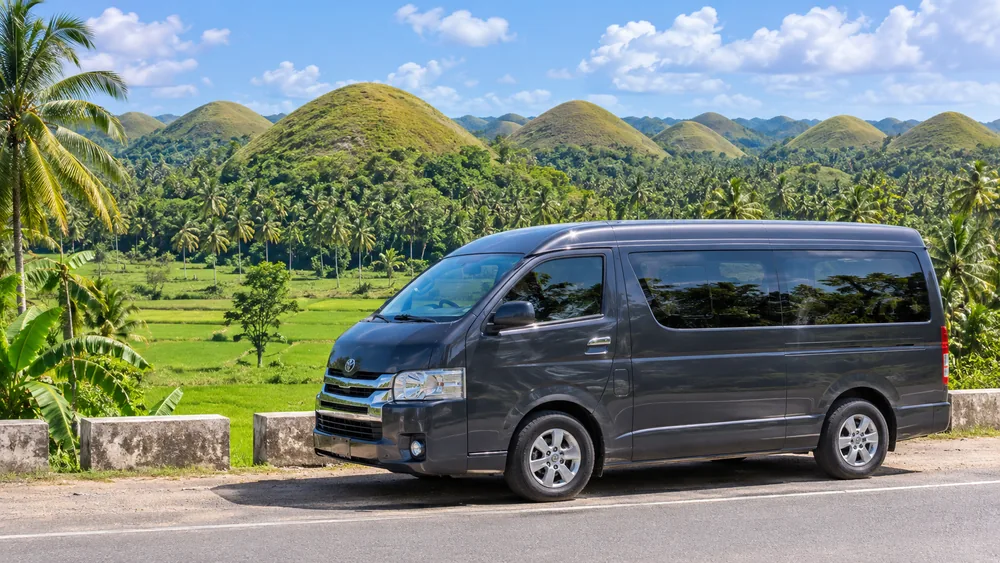
Go at your own pace with a private driver-guide, the Philippine Tarsier Sanctuary and the entrance fees included.
Explore the private countryside tour Tour detailsWhen is the best time to see tarsiers?
Any time the sanctuary is open: tarsiers rest by day, so morning and afternoon visits look much the same. Dry-season months make for easier trails.
Because the animals sleep through the day, the timing that matters is yours. A late-morning stop on a tour that starts in Panglao is common, and that is fine. Heavy rain can make the trail slippery, so from June to November pack a light rain jacket and shoes with grip.
Leave bright lights off too. The Foundation asks for no flash, and daytime disturbance can stop a tarsier from coming back to its spot.
How does the tarsier stop fit into the countryside tour?
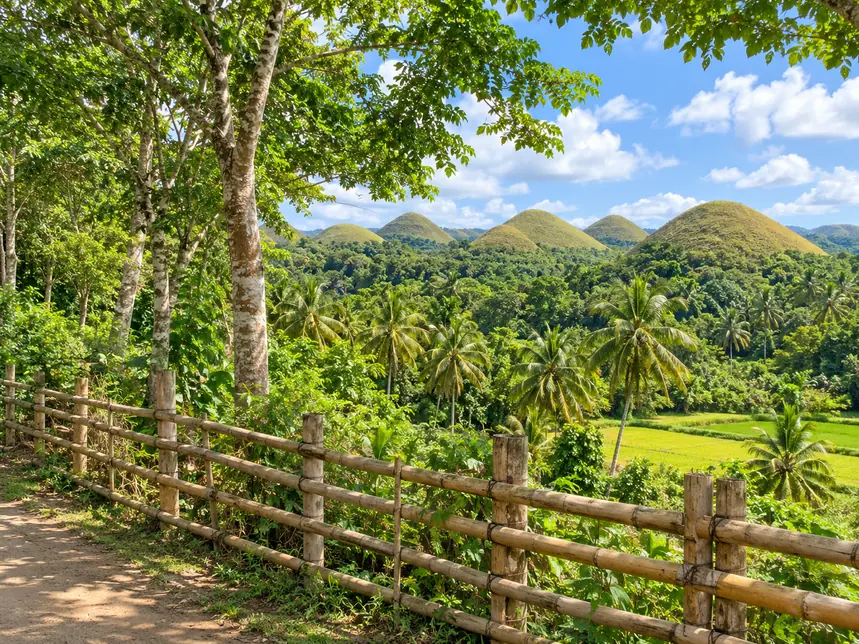
It usually comes early in the day, because Corella is close to Tagbilaran, followed by Loboc for lunch, the Bilar forest and the Chocolate Hills.
On a day from Panglao you might see the tarsiers by mid-morning, eat on the Loboc River at midday and reach the hills in the afternoon. Some tours reverse it. Either way the stop is short and gentle, a calm break between drives. Our itinerary guide has the full order, and our Chocolate Hills guide covers the far end of the loop.
A guide and a van for the Chocolate Hills and the tarsiers, with pickup in Panglao or meeting points in Tagbilaran and Loboc.
Check dates for the guided Chocolate Hills and tarsiers tourFrequently asked questions
Can you hold or touch a tarsier in Bohol?
No. The Philippine Tarsier Foundation asks visitors not to touch or feed the tarsiers, to keep quiet and to use no flash. Tarsiers are wild and stress easily.
Are tarsiers nocturnal?
Yes. They hunt insects at night and sleep through the day, so at the sanctuary you see them resting on branches.
Why did I only see a few tarsiers?
Tarsiers are solitary and territorial, each claiming roughly a hectare, so seeing only a few is normal, per the Foundation.
Who runs the tarsier sanctuary in Corella?
The Philippine Tarsier Foundation, a non-profit started in 1996 and inspired by Carlito Pizarras, the "Tarsier Man", who is its field supervisor.
Ready to book
Choose your tour
Free cancellation up to 24 hours before on every option. Prices are from-prices in USD and move with the season.
Private Bohol Countryside Tour
Families and couples who want their own van

Bohol Countryside Tour: Chocolate Hills & Tarsiers
- Hotel pickup and drop-off in Panglao
- Air-conditioned van
- Local coordinators who handle the lines
Guided Chocolate Hills & Tarsiers Tour
A guided countryside day at a low price